


 Español
 Français
 Pусский
 繁體中文
繁體中文 简体中文
简体中文 Select another language


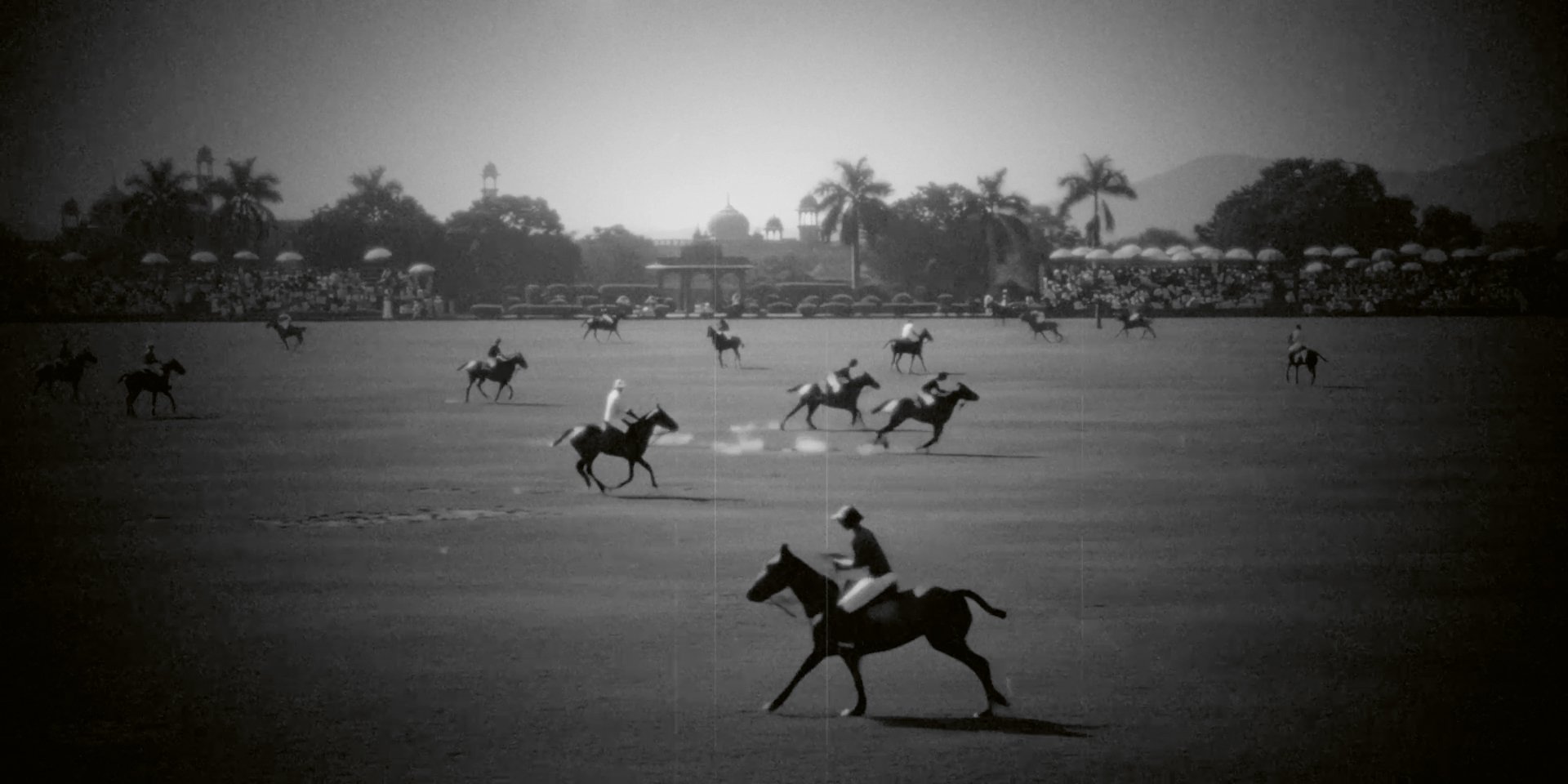
here is a unique story behind the Reverso: that of a watch born on Indian polo fields. In 1930, Swiss businessman and watch enthusiast César de Trey attended a polo match in India where, in a narrative that is now an industry legend, British officers presented him with a watch that had been smashed by a mallet and challenged him to design a timepiece capable of withstanding the knocks and blows that were inevitably inflicted during a game.
De Trey rose to the challenge and came up with the idea for a watch whose case could swivel to protect the glass. He then turned to Jacques-David LeCoultre to manufacture it and to engineer René-Alfred Chauvot to design the pivoting case. The following year, in 1931, the patent was filed, marking the birth of an icon: the Reverso.

“The Reverso with its swivelling case is undoubtedly one of the most ingenious wristwatches in watchmaking history,” says Lionel Favre, Product Design Director at Jaeger-LeCoultre. Comprising more than 50 components and seamlessly structured, this reversible case is at the heart of the Reverso’s fame. In a perfect integration of form and function, its pure, geometric lines in no way compromised on elegance and beautifully captured the Art Deco mood. With its horizontal gadroons and balanced rectangular shape, it quickly became a symbol of both style and ingenuity.
From sports watch to design icon
The Reverso soon transcended the boundaries of sport and, in the wake of British officers, was adopted by elegant gentlemen across major capital cities. The watch became a piece of jewellery, an objet d’art, a miniature canvas for enamellers and engravers. Initially designed as a simple metal shield, its reverse side was transformed into a medium of expression for engravings, lacquers and enamelled miniatures. Over nine decades, the Reverso has been equipped with multiple calibres and produced in countless versions, without ever compromising its original design. Each Reverso undergoes rigorous “1,000-hour” testing to guarantee its accuracy and reliability. Jaeger-LeCoultre recently unveiled the Reverso Classic Monoface Small Seconds, a contemporary reinterpretation of the original Reverso. Its dial features a new “coin stack” guilloché pattern – evoking the edges of a pile of coins – along with a subtle interplay of brushed and polished finishes.

The polished steel case (40.1 x 24.4mm) echoes the harmonious proportions of the 1931 model, while the Calibre 822 mechanical hand-wound movement with its 42-hour power reserve attests to the brand’s precision. In a refined nod to the watch’s origins, the watch is teamed with an interchangeable black leather strap from Casa Fagliano, the renowned Argentinian bootmaker with links to the polo world.


